Tree Removal
Safe, efficient removal of dead, damaged, or hazardous trees across Cairns. Free onsite quote.
Learn more →Honest tree health advice for Cairns — can it be saved? Spot disease, root failure & storm risk early. Local arborist guidance. Call (07) 4064 9207.
Safe, efficient removal of dead, damaged, or hazardous trees across Cairns. Free onsite quote.
Learn more →Crown reduction, selective pruning, and tree lopping to improve safety and tree health in Cairns.
Learn more →Complete stump grinding and removal — no trip hazard, no regrowth, no mess left behind.
Learn more →Specialist palm frond removal, dead frond cleaning, and full palm removal throughout Cairns.
Learn more →Rapid response for storm-damaged and fallen trees in Cairns — call now for urgent assistance.
Learn more →
Concerned about a tree?
Covering all of Cairns — see suburbs.
Not every troubled tree needs to come out — and not every healthy-looking tree is as sound as it seems. Up here in Edge Hill, Whitfield, Redlynch and right across the region, we see grand old mangoes, poincianas, figs and raintrees that look magnificent but hide rot, weak forks or a failing root plate, alongside stressed trees that just need a sensible prune to bounce back. We give Cairns homeowners an honest read on which is which.
Talk to a local arborist — (07) 4064 9207
It's the question we get asked most, and the honest answer is: sometimes yes, sometimes no — and you really do need to look at the tree to tell. We're not in the business of talking you into removing a tree that just needs attention, and we won't pretend a dangerous tree is fine to save you a difficult conversation.
What we look at:
From there you get a straight recommendation: maintain it, prune it, monitor it, or remove it.
Some things are worth getting checked before storm season rather than after:
None of these automatically means removal — but all of them are worth a qualified look, particularly heading into the November-to-April storm period.
Get your trees checked — (07) 4064 9207
Our climate is a double-edged sword for trees. The wet-season rain and humidity drive fast, lush growth — but the same conditions stress trees in ways you don't see down south:
Reading those local conditions — not just the tree in isolation — is the heart of a good health assessment.
The best maintenance is steady and sensible, not dramatic. Across the year that usually means:
When a tree genuinely can't be saved, we'll tell you, and handle the removal safely. When it can, we'll tell you that too.
Caring for and pruning a tree is generally straightforward, but heavier works on protected vegetation — or anything touching a planning overlay — can require a development approval from Cairns Regional Council. If a recommended job looks like it needs Council sign-off, we'll flag it. Council is the place to confirm the rules for your specific property.
How do I know if my tree is dying or just stressed? It's not always obvious, which is why it's worth a look. Warning signs include heavy deadwood, bare patches that don't releaf, fungal brackets or mushrooms, splitting bark, a sudden lean, or soil lifting at the base. Some mean removal; others are fixable with the right prune and care. We give you an honest read rather than defaulting to removal.
Can a leaning tree be saved, or does it have to come out? It depends why it's leaning. A long-standing natural lean can be perfectly stable. A sudden lean — especially with soil cracking or lifting on one side after heavy rain — usually means the root plate is failing, and that's a removal. After a saturated wet season this is one of the most common reasons Cairns trees come down. We assess the roots before answering.
What's the best way to keep my trees healthy in Cairns? Sensible, well-timed pruning rather than heavy lopping; clearing deadwood before it falls; watching for fungus, splits and lean; and getting trees checked before each storm season. Avoid topping — in our humidity, big wounds rot and trigger weak regrowth.
Call Cairns Arborist Solutions — (07) 4064 9207
Free onsite assessment · All Cairns suburbs · 24/7 emergency response
Related: Tree Lopping & Pruning · Tree Removal · Emergency Tree Services
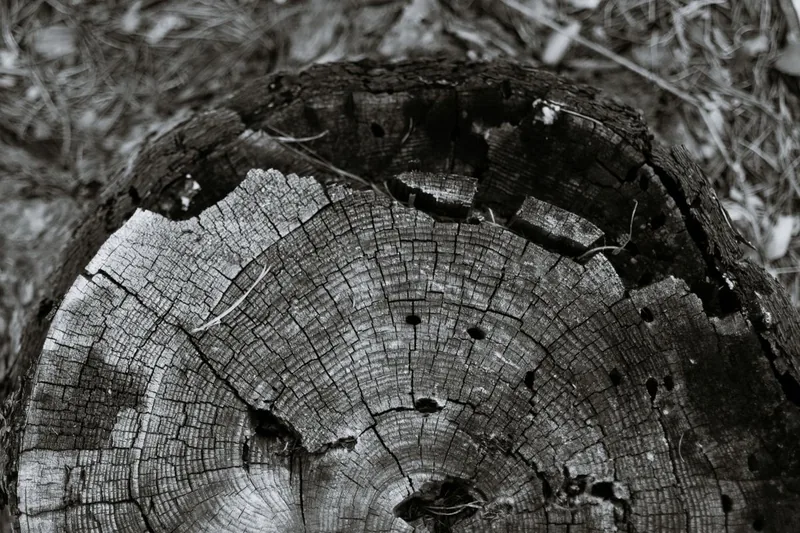
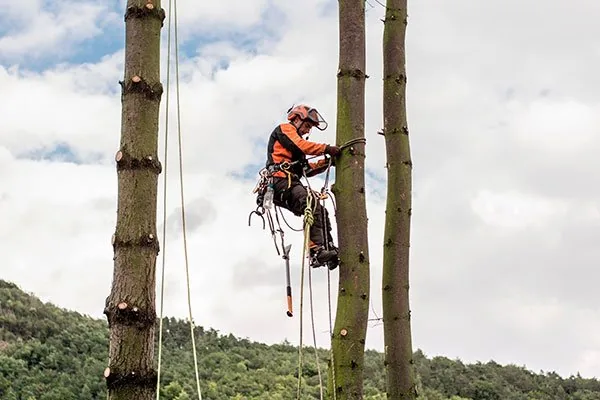
It's not always obvious, which is the whole point of getting it looked at. Warning signs include large amounts of deadwood in the canopy, bare patches that don't releaf, fungal brackets or mushrooms at the base or on the trunk, bark splitting or peeling, a sudden lean, or soil lifting on one side of the base. Some of these mean a tree needs removing; others are fixable with the right prune and care. We give you an honest read rather than defaulting to removal.
It depends entirely on why it's leaning. A tree that's grown with a natural lean over many years can be perfectly stable. A tree that has suddenly started leaning — especially with soil cracking or lifting on one side of the base after heavy rain — usually means the root plate is failing, and that's a removal. After months of saturated wet-season soil this is one of the most common reasons Cairns trees come down. We assess the root condition before giving you an answer.
Sensible, well-timed pruning rather than heavy lopping; clearing deadwood before it falls; keeping an eye out for fungus, splits and lean; and getting trees checked before each storm season. Avoid topping and over-trimming — in our humidity, big wounds rot and trigger weak regrowth. The goal is a balanced, structurally sound tree that handles a wet-season blow, not one that's been hacked back.